Congress Demands Answers from Jensen Huang Amid Security Concerns
Lawmakers seek private testimony from the Nvidia leader regarding alleged ties to Chinese intelligence and export control violations.
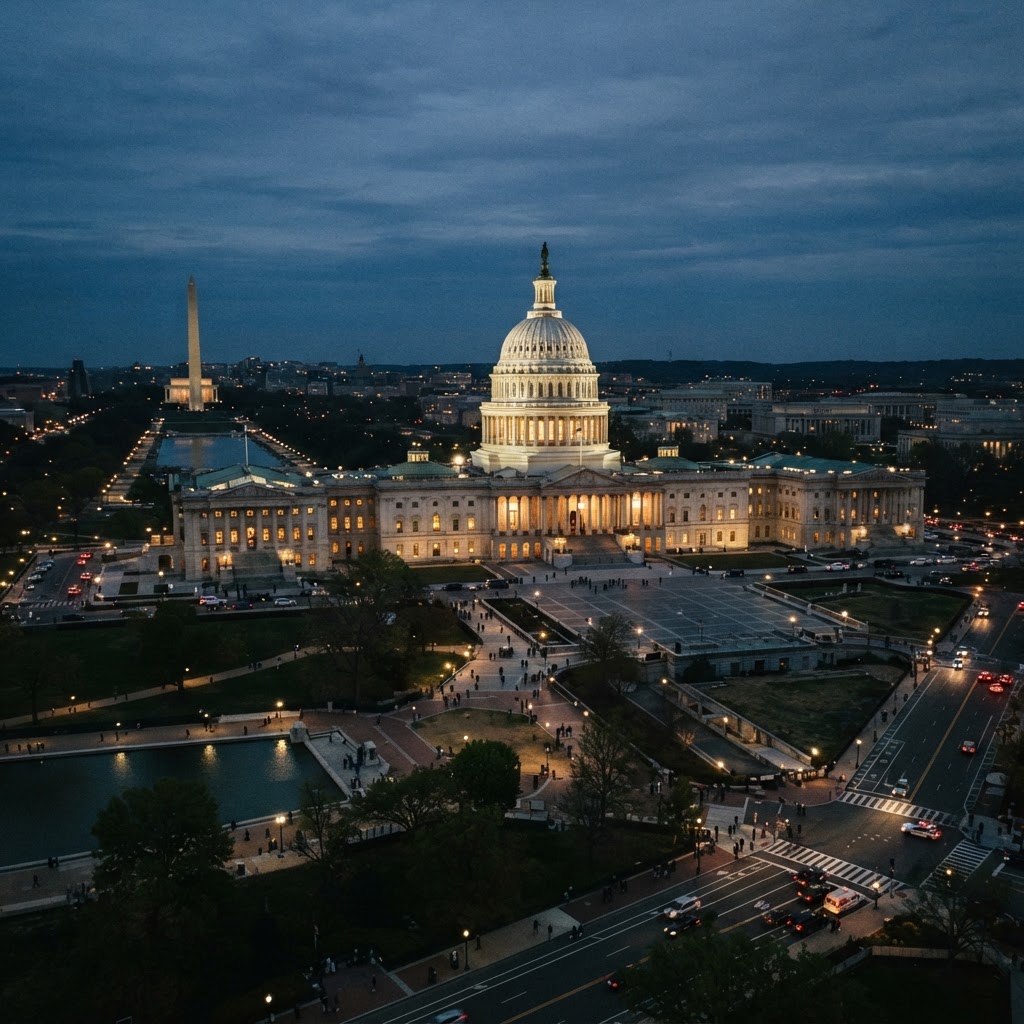
Senior members of the U.S. Congress are intensifying their oversight of Nvidia, demanding that former CEO Jensen Huang provide a private briefing to address mounting national security concerns. The inquiry follows explosive reports regarding Huang’s personal relationship with a tech executive allegedly linked to Chinese intelligence. Lawmakers are particularly focused on whether this connection facilitated the unauthorized transfer of advanced AI chips to China, potentially bypassing critical U.S. export controls.
House committee chairs, including Brian Mast, Rick Crawford, and John Moolenaar, have been at the forefront of the push for transparency. They have requested that Huang appear for a transcribed, closed-door interview to explain Nvidia’s internal security protocols and the extent of his interactions with the alleged foreign asset. The committees have signaled that they are prepared to issue subpoenas to compel his cooperation if he fails to appear voluntarily.
Beyond the House, the Senate Banking Committee has also taken a firm stance. Chairman Tim Scott has scheduled a public hearing for December 3, emphasizing that the American public deserves clarity on how one of the world’s most influential technology companies manages its relationship with foreign adversaries. The investigation is not limited to Huang; lawmakers are also scrutinizing the roles of other Nvidia executives and potential lapses in government oversight regarding export control enforcement.
The controversy has been further complicated by Nvidia’s recent decision to reinstate Huang as CEO, a move that has drawn sharp criticism from both sides of the aisle. While the company’s board has maintained that their internal review found no evidence of compromised national security, many legislators remain deeply skeptical. Lawmakers argue that the reinstatement was premature and that the company must be held accountable for any potential espionage risks or regulatory failures before business continues as usual.
As the December testimony dates approach, the legislative branch is positioning itself to conduct a rigorous examination of the intersection between corporate leadership and national security. With the potential for further subpoenas and the threat of new, stricter bipartisan export control legislation, the pressure on Nvidia to provide full transparency is at an all-time high. The outcome of these briefings will likely shape the future of U.S. policy regarding the global distribution of sensitive AI technology.
RELATED DISPATCHES
Discussion (0)
No comments yet. Be the first to join the discussion.