Commerce Department Faces Scrutiny Over Nvidia CEO Security Warning
Classified intelligence regarding Nvidia's leadership has sparked intense debate over U.S. export controls and national security.
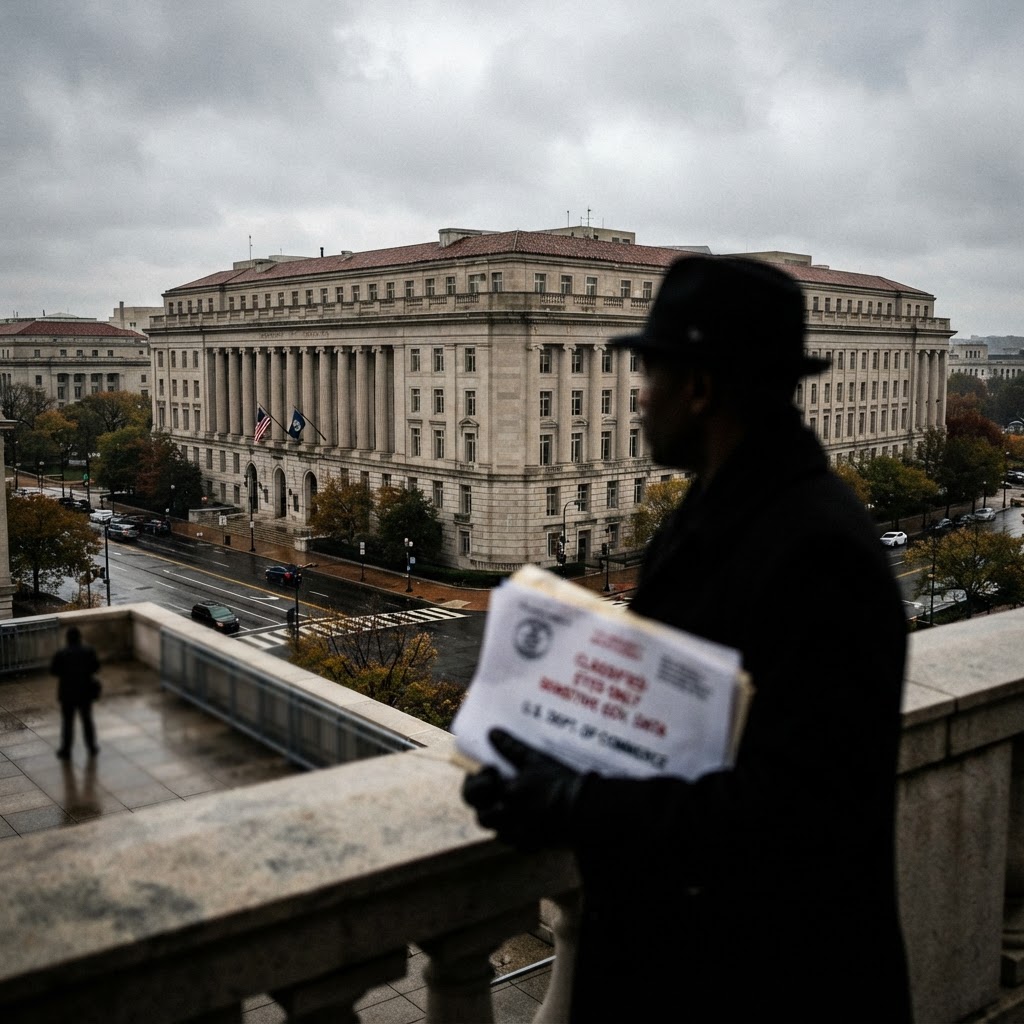
The U.S. Department of Commerce is currently under intense scrutiny following reports that Secretary Howard Lutnick received a highly classified memo detailing national security concerns involving Nvidia CEO Jensen Huang. The intelligence reportedly highlighted a relationship between Huang and an individual suspected of being a Chinese intelligence operative. This revelation has intensified existing tensions in Washington regarding the oversight of sensitive American technology exports.
In the wake of these reports, Jensen Huang has publicly acknowledged the situation and issued an apology to his company. Meanwhile, Nvidia’s board of directors has initiated an internal investigation into the matter. The company has maintained that it currently has no evidence to suggest that national security or proprietary corporate secrets were compromised during the period in question.
This development has fueled a broader political debate regarding the efficacy of current export restrictions. Critics and lawmakers have raised questions about whether the Commerce Department adequately weighed potential risks when approving the sale of advanced AI chips to entities with ties to China. Some officials have expressed concern that the department’s enforcement of these controls may have been hindered by internal resistance or external influence.
Recent reports indicate that Secretary Lutnick faced direct confrontation from other cabinet members during a high-level meeting in the Situation Room regarding his department's perceived reluctance to implement stricter export measures. As pressure mounts, there is a growing bipartisan push in Congress to incorporate more rigorous chip-control mandates into upcoming defense legislation. The situation remains fluid as federal agencies continue to evaluate the implications of these intelligence findings on U.S. technological sovereignty.
RELATED DISPATCHES


Discussion (0)
No comments yet. Be the first to join the discussion.