Cambridge Faces Scrutiny Following Death of Professor Jason Arday
The university is under pressure to explain its hiring practices after the passing of its youngest Black professor amid plagiarism allegations.
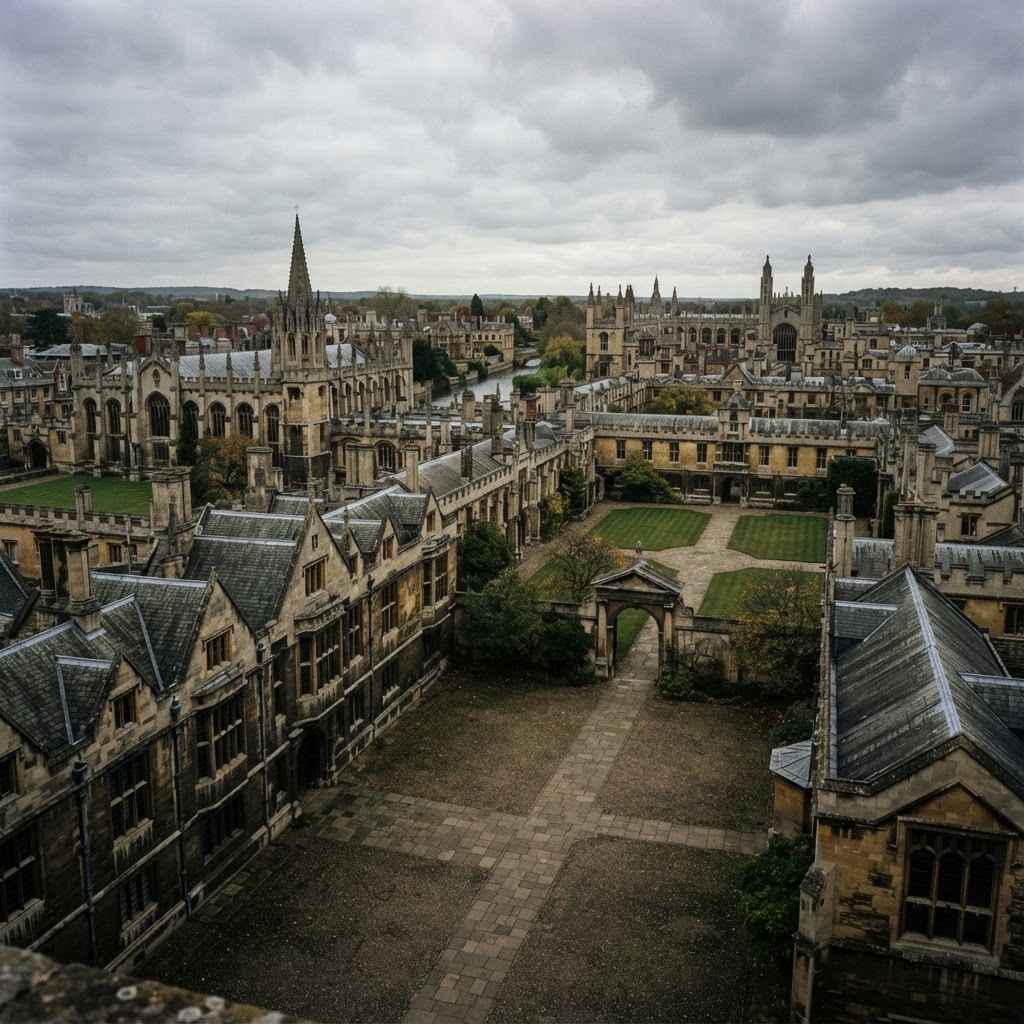
The University of Cambridge is currently grappling with intense internal and public scrutiny following the death of Jason Arday, who served as the institution's youngest Black professor. Dr. Arday, 41, was discovered dead at his residence in South London on August 13, 2026, just days after he resigned from his academic post. His passing has triggered a complex debate regarding the university's recruitment standards and its commitment to diversity initiatives.
Prior to his resignation, Dr. Arday had been the subject of a prolonged period of intense media attention. He faced serious accusations of plagiarism and fabrication concerning his academic research and personal history. These allegations sparked a significant controversy, with critics arguing that the university failed to conduct adequate due diligence when it appointed him to a prestigious sociology position in 2023.
Reports suggest that the university may have overlooked several warning signs regarding the validity of his credentials and life story during the hiring process. While Cambridge initially celebrated his appointment as a milestone for representation in higher education, the subsequent unraveling of his professional reputation has led to accusations that the institution prioritized optics over rigorous academic vetting.
In the wake of his death, Cambridge Vice-chancellor Deborah Prentice expressed deep sorrow and confirmed that the university intends to launch an investigation into the circumstances surrounding his employment. Meanwhile, Dr. Arday’s family has spoken out, describing him as a gentle individual who was subjected to a sustained campaign of abuse that they believe contributed to his distress.
As an inquest into his death formally opens, the academic community remains divided. Some observers point to the dangers of a high-pressure media environment, while others insist that the university must be held accountable for its failure to address red flags earlier. The situation has left Cambridge to confront difficult questions about how it balances its diversity goals with the necessity of maintaining academic integrity.
RELATED DISPATCHES


Discussion (0)
No comments yet. Be the first to join the discussion.