Bundesbank Forecasts Stronger Economic Momentum for Germany in Q4
Fiscal stimulus and global trade resilience are expected to drive an uptick in German GDP growth to close out the year.
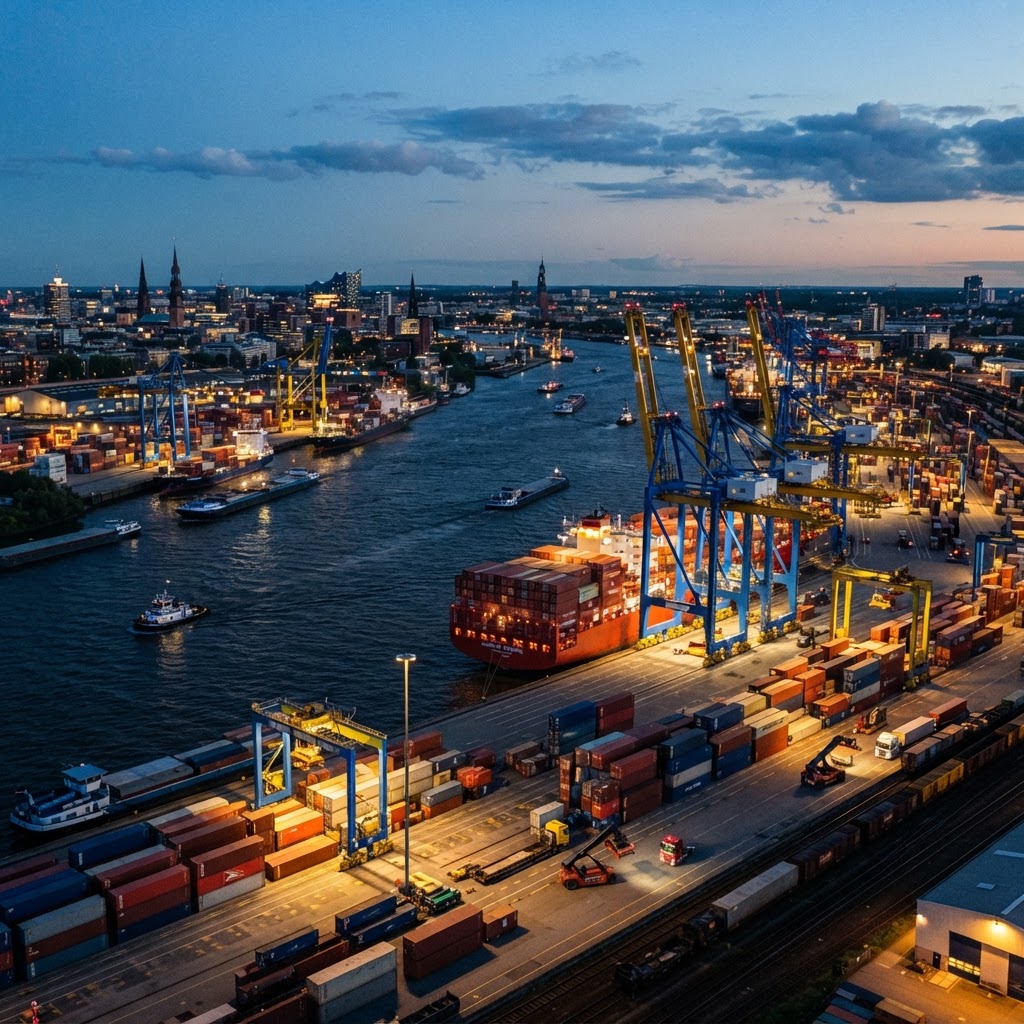
The German economy is poised for a stronger performance in the final quarter of 2026, according to the latest assessment from the Bundesbank. After a period of modest growth in the third quarter, where real GDP rose by 0.2%, the central bank anticipates that the nation’s economic activity will gain speed as the year concludes. This outlook suggests that Europe’s largest economy is successfully navigating challenges such as elevated borrowing costs and persistent energy price pressures.
Central to this positive outlook is the impact of expansionary fiscal policy. Increased government expenditure, particularly directed toward defense and infrastructure projects, is serving as a vital catalyst for domestic demand. These public investments are helping to offset some of the drag caused by subdued private consumption, as households continue to grapple with the effects of high inflation and energy costs.
Industrial output is also showing signs of renewed vigor. The manufacturing sector, which faced headwinds earlier in the year, is benefiting from a combination of growing domestic orders and a resilient global trade environment. While capacity utilization remains below long-term averages, the recent improvement in industrial sentiment indicates that the sector is finding its footing again after years of stagnation.
Despite the optimistic growth forecast, the Bundesbank cautioned that the economic landscape remains complex. The central bank noted that inflation is likely to accelerate sharply at the beginning of 2027, driven by the expiration of government subsidies and rising energy costs. Furthermore, officials emphasized that while current fiscal measures provide a short-term boost, they are not a substitute for the structural reforms necessary to lift Germany’s long-term growth potential.
Looking ahead, the recovery remains somewhat uneven. While the industrial and civil engineering sectors are expected to see continued support from government spending, private investment remains constrained by high interest rates. Nevertheless, the Bundesbank’s latest report underscores a notable resilience in the German economy, marking a departure from the stagnant conditions that characterized much of the previous three years.
RELATED DISPATCHES

Discussion (0)
No comments yet. Be the first to join the discussion.