Bipartisan Backlash Mounts Over Trump's Russian Diesel Agreement
Lawmakers from both parties condemn the administration's new fuel import deal with Moscow as a potential financial lifeline for the Kremlin.
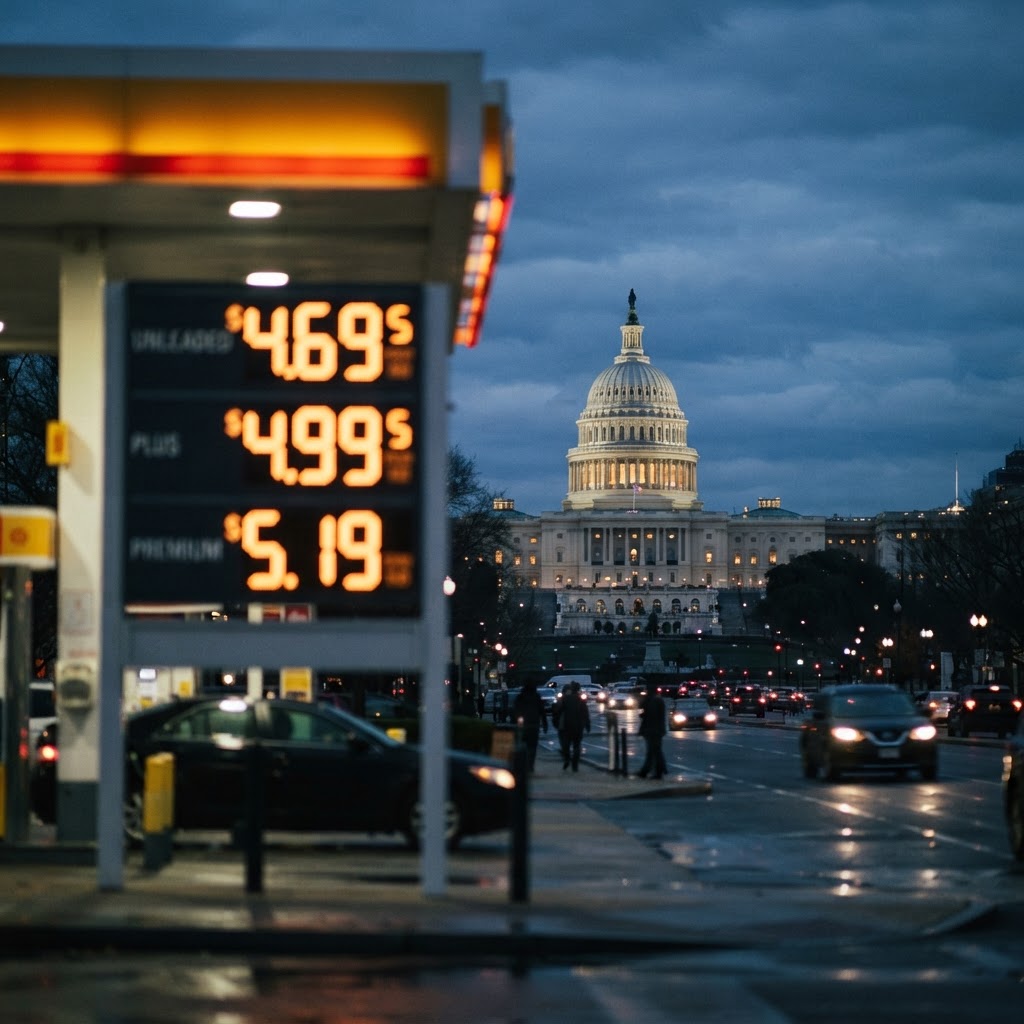
President Donald Trump is facing intense scrutiny from a bipartisan coalition in Congress following his recent announcement of a deal to import significant quantities of Russian diesel. The agreement, intended to mitigate rising fuel costs for American consumers ahead of the midterm elections, has instead ignited a firestorm of political opposition. Critics argue that the move undermines U.S. foreign policy objectives and provides an unnecessary economic boost to Russia during its ongoing conflict with Ukraine.
Legislators have expressed deep frustration, with many characterizing the arrangement as a strategic misstep that contradicts the administration's stated stance on global security. A group of six senators has formally urged the President to abandon the plan, warning that the United States should not be in the business of offering a financial lifeline to Vladimir Putin. The backlash highlights a growing divide between the White House and Capitol Hill regarding the appropriate approach to energy independence and international alliances.
Energy analysts have also weighed in, casting doubt on the efficacy of the deal. Experts suggest that the influx of Russian fuel is unlikely to result in meaningful price relief at the pump, noting that current market volatility is primarily driven by disruptions stemming from the U.S. war against Iran. By prioritizing this deal, observers argue that the administration is signaling a shift in its commitment to allies, particularly as Ukraine continues to defend its sovereignty against Russian aggression.
In response to the mounting criticism, President Trump has remained defiant, doubling down on the necessity of the agreement. He has shifted blame for the domestic energy crisis onto Ukrainian leadership, suggesting that President Volodymyr Zelenskyy bears responsibility for the high costs and should step down. This rhetoric has further alienated members of Congress, who view the comments as an abandonment of a key democratic partner. As the debate intensifies, the deal remains a flashpoint for concerns regarding the administration's foreign policy trajectory and its relationship with the Kremlin.
RELATED DISPATCHES

Discussion (0)
No comments yet. Be the first to join the discussion.