Army Cleared to Proceed with Iowa Explosives Detonation
Federal appeals court lifts stay, allowing the military to destroy unstable lead azide despite ongoing legal and political debate.
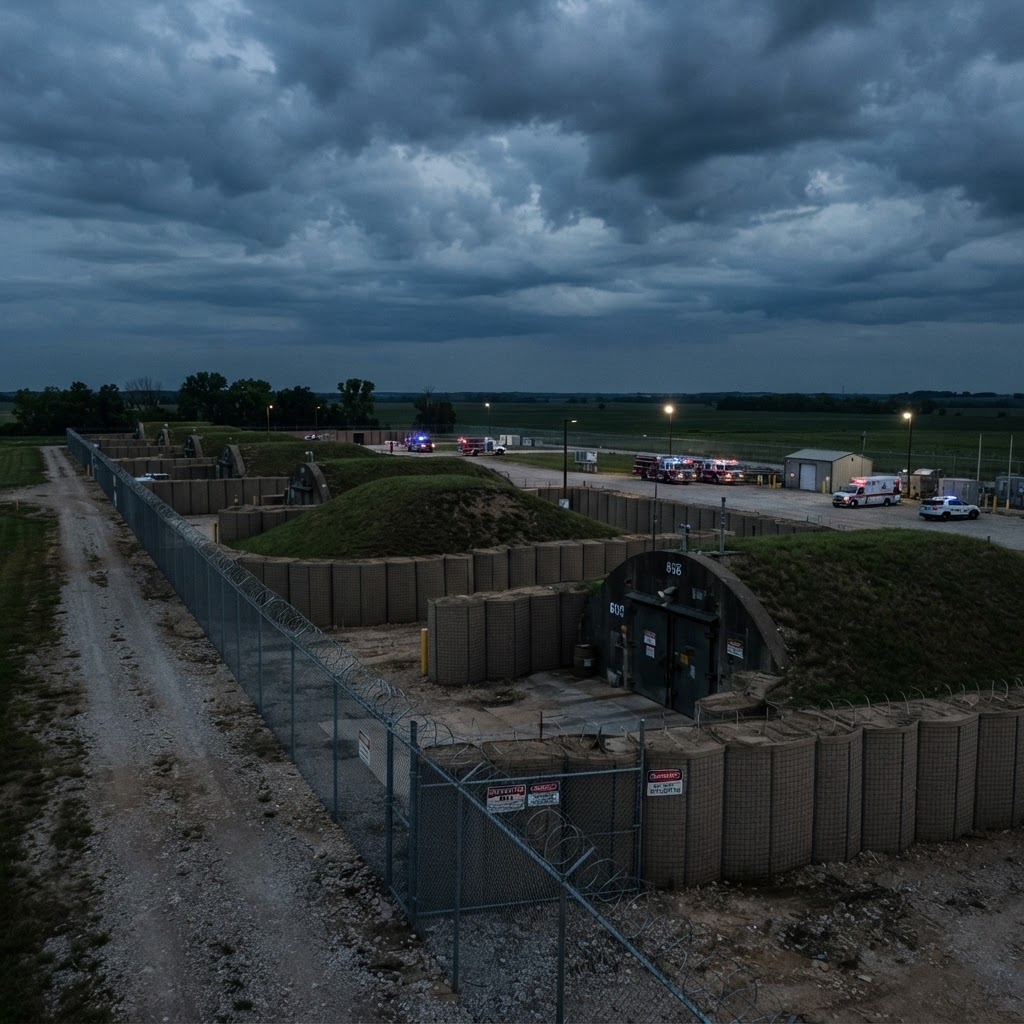
The U.S. Army is moving forward with plans to conduct a controlled detonation of nearly five tons of degraded lead azide at the Iowa Army Ammunition Plant in Middletown. The operation, which involves 68 barrels of highly sensitive bomb-making material, was rescheduled for Wednesday, November 25, to take advantage of favorable weather conditions and ensure necessary safety measures are in place. Military officials maintain that destroying the material in place is the safest course of action, as the chemicals have become increasingly unstable due to crystallization.
The situation has been marked by significant legal and political friction. While environmental groups, including the Sierra Club and the Iowa Environmental Council, successfully secured an initial administrative stay to halt the process, the Eighth Circuit U.S. Court of Appeals ultimately lifted that suspension on Monday evening. This judicial decision cleared the path for the Army to proceed, even as litigation regarding the environmental permits remains active.
Complicating the timeline, President Donald Trump had previously issued a directive for the military to pause the operation until court approval was finalized or until incoming Governor-elect Rob Sand could be consulted. Despite this, the Army’s intent to invoke emergency provisions under the Resource Conservation and Recovery Act—citing an immediate threat to public safety—has remained the primary driver for the mission. The military argues that the onset of freezing temperatures significantly elevates the risk of an uncontrolled, spontaneous explosion.
To mitigate potential hazards, the Army has constructed large, water-saturated sand barriers designed to contain the blast and minimize the spread of toxic lead dust. State agencies in Iowa and Illinois are coordinating to monitor air quality and provide guidance to residents. Local authorities have advised those in the vicinity to remain indoors and keep windows closed during the operation, as the blast is expected to release a plume of lead-contaminated particles.
As of late Monday, state officials in Illinois and Iowa were preparing for the detonation to occur as scheduled. The Army has emphasized that while the process will involve loud noises and potential ground vibrations, a managed blast is far preferable to the unpredictable danger posed by the deteriorating chemicals if left in their current state.
RELATED DISPATCHES



Discussion (0)
No comments yet. Be the first to join the discussion.