Arizona Election Official Reports Halt in Federal Security Briefings
State leaders express concern over reduced communication from the Trump administration regarding election threats.
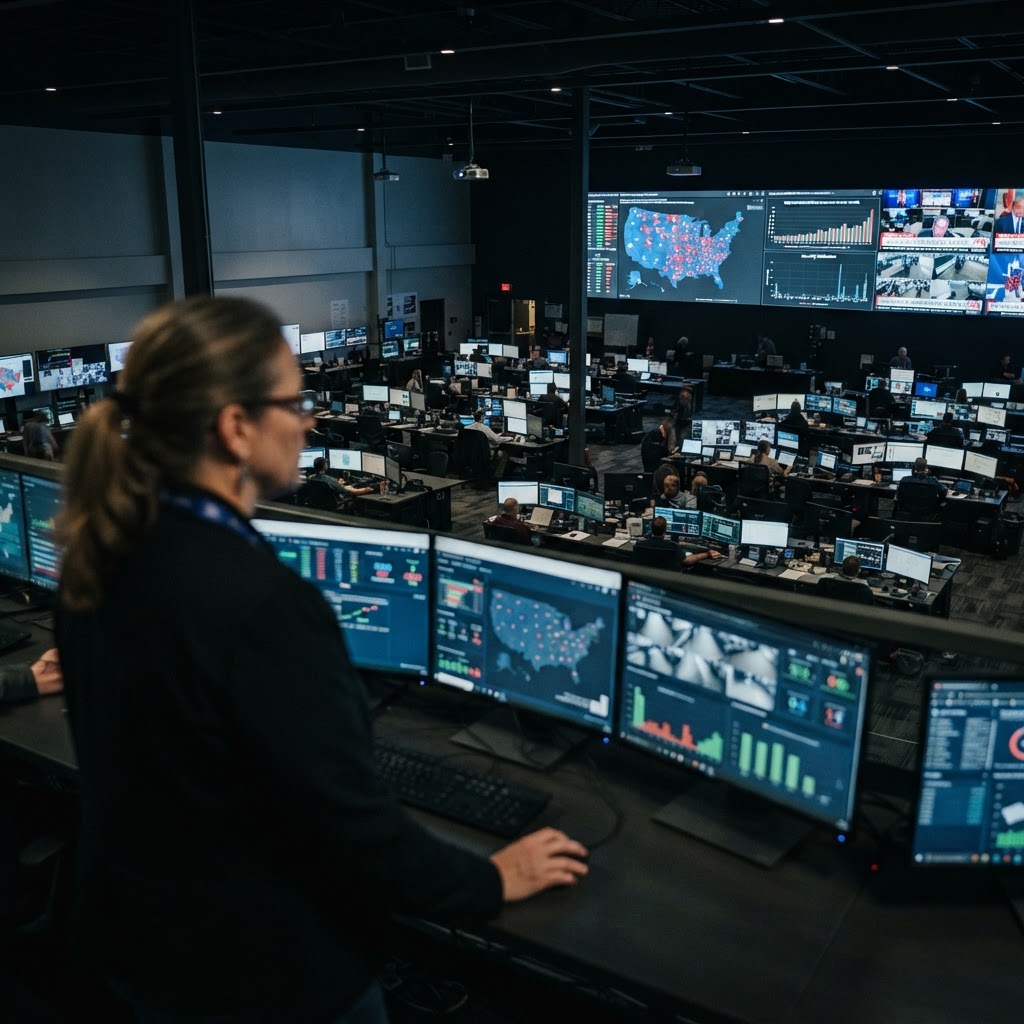
Arizona Secretary of State Adrian Fontes has publicly raised alarms regarding a noticeable decline in communication from federal authorities concerning election security. According to reports, the current administration has significantly curtailed the frequency of intelligence briefings provided to state officials, leaving local administrators with less guidance as the midterm elections approach. This shift in protocol has sparked frustration among those responsible for safeguarding the integrity of the voting process [1].
State election officials across the country have noted that the consistent flow of information regarding foreign influence and cyber threats—a hallmark of previous administrations—has become increasingly sporadic. While federal agencies like the FBI and CISA previously maintained regular contact to discuss risks from nations such as Russia, Iran, and China, these channels have reportedly weakened under the current leadership [2].
Beyond the reduction in briefings, there are concerns that the administration has dismantled specific programs designed to track and counter foreign influence operations. Experts suggest that this retreat from established collaborative frameworks has created a critical gap in information sharing, particularly as the rise of artificial intelligence makes it easier for foreign actors to deploy disinformation campaigns [3].
Some state officials have indicated that while they still participate in general calls regarding software vulnerabilities, the election-specific intelligence they rely on has become less reliable or harder to access. This lack of direct engagement has forced state offices to rely more heavily on their own internal resources and backup plans to manage potential disruptions [3].
In response to these claims, a spokesperson for CISA maintained that the agency remains committed to protecting critical infrastructure and continues to work with intelligence partners to monitor threats. However, the disconnect between federal assurances and the experiences of state-level officials highlights a growing tension regarding the coordination of national election security efforts during this election cycle [3].
RELATED DISPATCHES

Corruption Emerges as a Defining and Costly Battleground in 2026 Midterms
31 minutes 31 seconds ago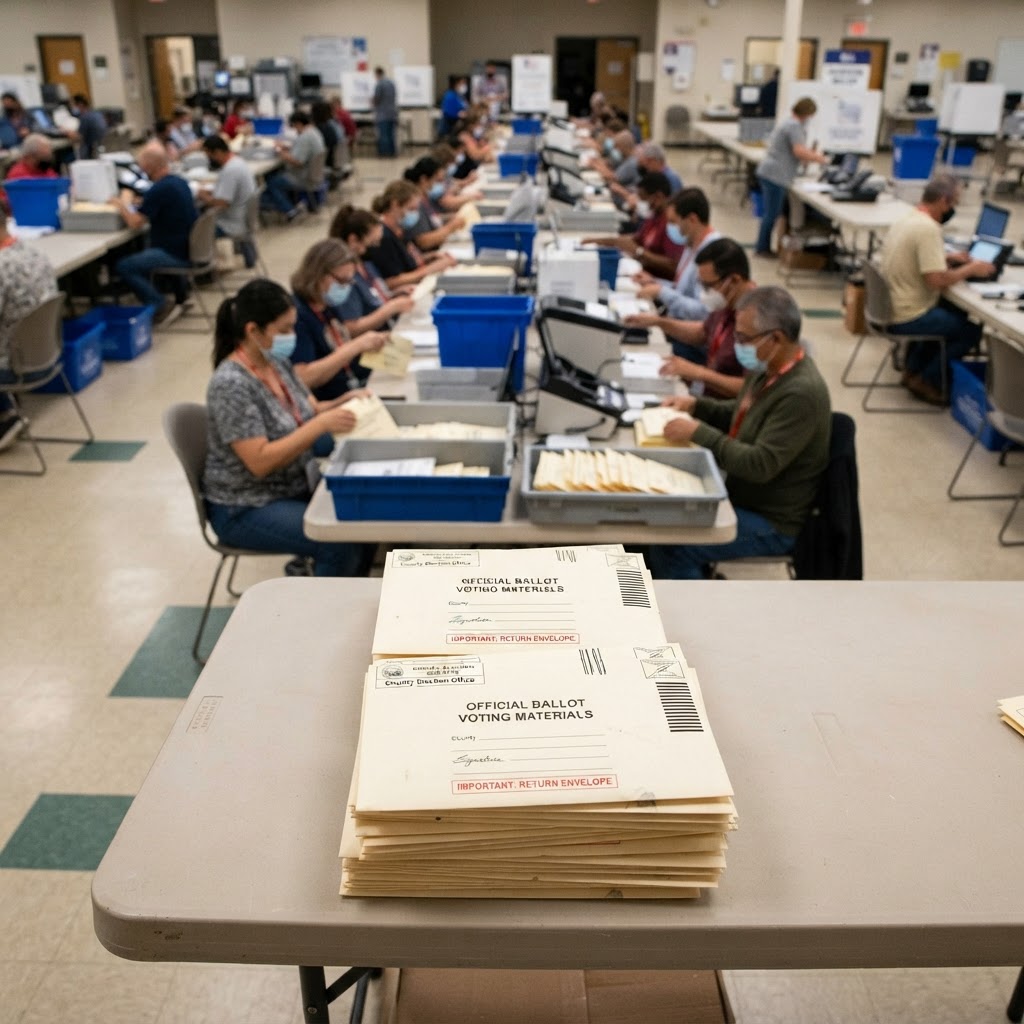
Federal Judge Blocks Trump Administration Bid to Segregate California Ballots
31 minutes 40 seconds ago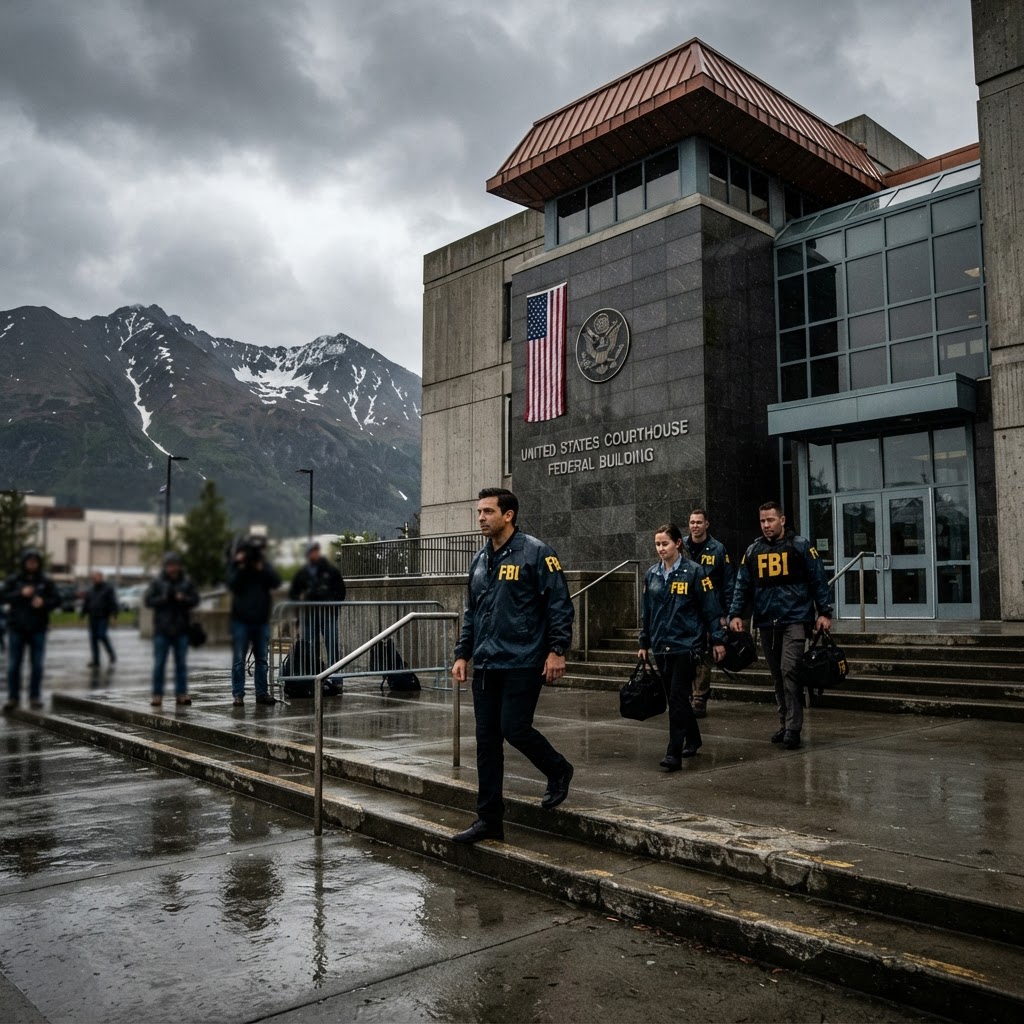
Federal Criminal Probe Into Alaska Senate Race Intensifies
31 minutes 50 seconds agoDiscussion (0)
No comments yet. Be the first to join the discussion.