Appeals Court Rules 2022 Spending Law Passage Unconstitutional
A federal court determined that the use of proxy voting during the pandemic violated the Constitution's Quorum Clause.
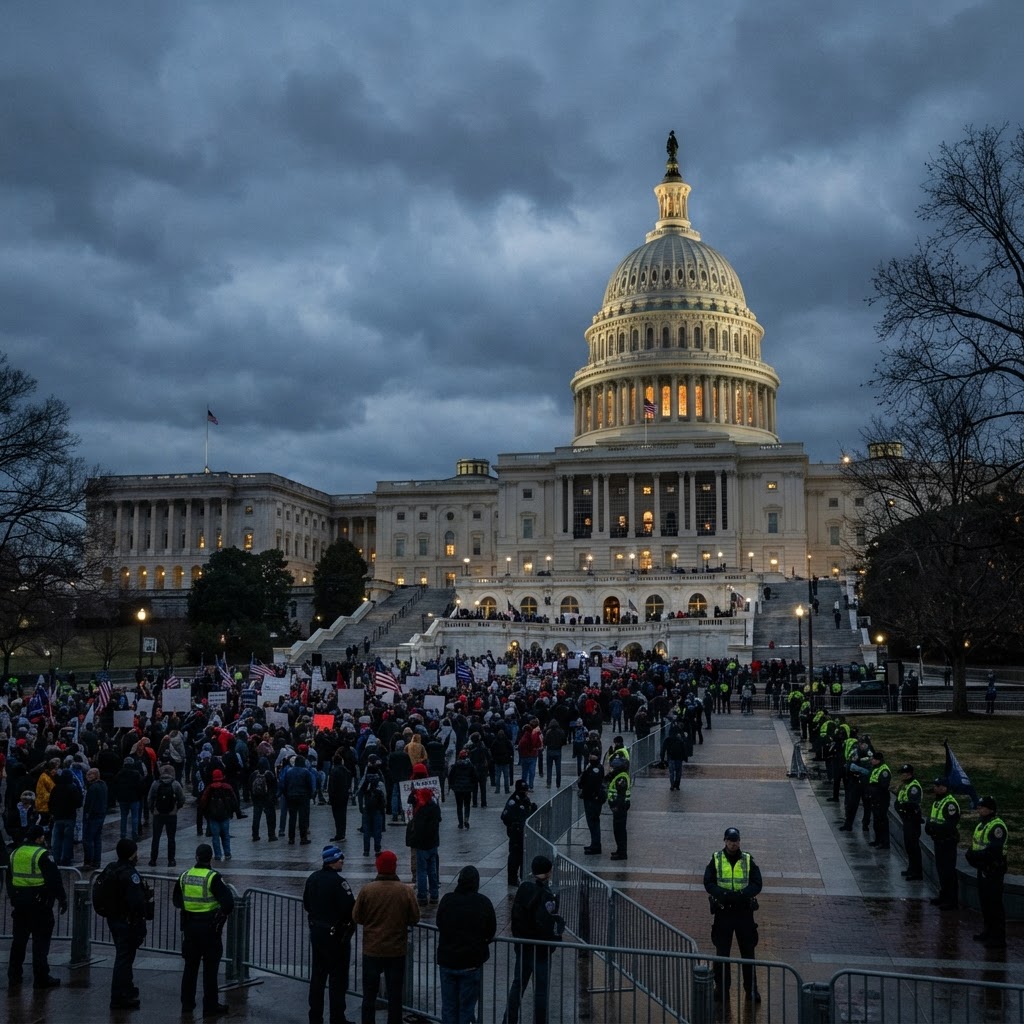
In a significant legal development, the U.S. Court of Appeals for the Fifth Circuit ruled on November 20, 2026, that the House of Representatives acted unconstitutionally when it passed a massive $1.7 trillion spending package in December 2022. The court’s 9-8 decision centers on the Quorum Clause of the Constitution, which the majority argued requires a physical majority of lawmakers to be present to conduct legislative business. Because the House relied on pandemic-era proxy voting rules to reach a quorum for the Consolidated Appropriations Act of 2023, the court found the legislative process flawed.
The ruling specifically upholds an injunction that prevents the federal government from enforcing the Pregnant Workers Fairness Act against the state of Texas. While the decision does not invalidate the entire spending bill nationwide, it establishes a major legal precedent regarding how Congress conducts its proceedings. The majority opinion, authored by Judge Cory Wilson, emphasized that while legislative chambers have authority over their internal rules, they cannot bypass constitutional requirements through administrative changes.
The proxy voting system at the heart of the dispute was introduced in May 2020 under then-Speaker Nancy Pelosi to ensure the House could continue operating during the COVID-19 pandemic. Under this system, absent members could designate colleagues to cast votes on their behalf. Records from the December 2022 vote indicate that 226 members participated via proxy, meaning fewer than the required 218 members were physically present in the chamber to meet the constitutional quorum threshold.
Legal experts note that the ruling has sparked intense debate over the separation of powers and the limits of congressional authority. Dissenting judges argued that the Constitution grants Congress broad discretion to determine its own procedural rules, suggesting the court’s intervention oversteps judicial boundaries. While the immediate impact is limited to the enforcement of pregnancy protections in Texas, the court's interpretation of the Quorum Clause raises questions about the validity of other legislation passed during the period when proxy voting was in effect.
RELATED DISPATCHES



Discussion (0)
No comments yet. Be the first to join the discussion.