ANC Records Historic Low in South African Municipal Elections
The ruling party faces a challenging political landscape after securing only 30.76% of the national vote.
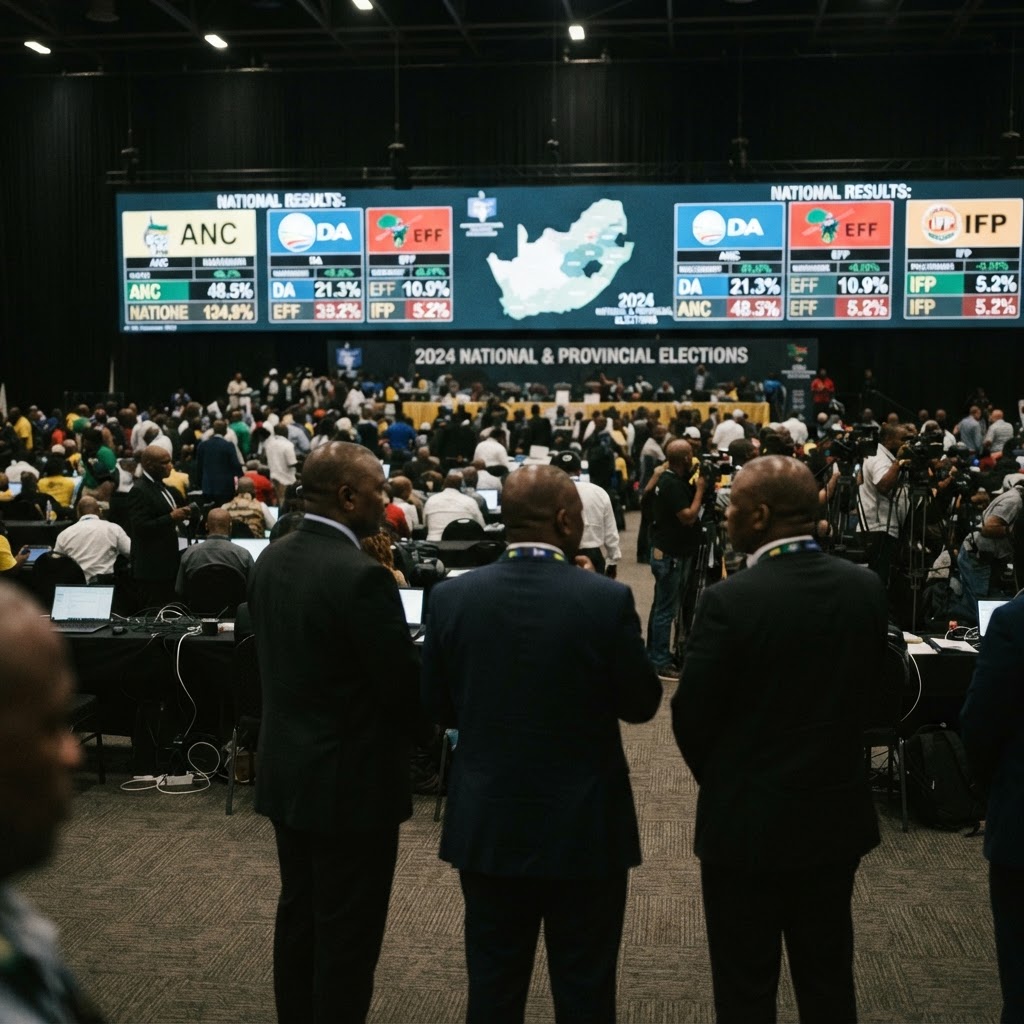
The African National Congress (ANC) has experienced its worst electoral performance since the dawn of democracy in 1994, securing just 30.76% of the vote in the latest municipal elections. This significant decline from the 46% share recorded in 2021 reflects a growing public dissatisfaction with the party's management of essential services, including water, electricity, and infrastructure maintenance.
As the final results were confirmed by the Electoral Commission of South Africa, it became clear that the political landscape has become increasingly fragmented. With no single party achieving an outright majority in most of the nation's eight major metropolitan areas, the country now enters a period of complex coalition negotiations. These talks are expected to determine the governance of key cities over the coming weeks.
President Cyril Ramaphosa has acknowledged the voters' decision, urging political leaders to prioritize the needs of their communities during the upcoming coalition discussions. He emphasized that the delivery of basic services must not be compromised by political maneuvering or gridlock. The pressure is mounting on all parties to form stable administrations within the 14-day window mandated for the formation of city councils.
The Democratic Alliance (DA) remains the primary opposition, securing approximately 25% of the vote. Meanwhile, the emergence of smaller parties and the shifting allegiances of the electorate have left the ANC in a weakened position. Analysts suggest that this result is a clear signal from the public, who have grown weary of years of perceived municipal mismanagement and corruption.
Despite the record-low turnout for the ruling party, voter participation saw a notable increase, reaching 52%—a six-percentage-point rise compared to the pandemic-affected 2021 polls. This heightened engagement underscores the urgency with which citizens are seeking accountability and improved governance at the local level. The path forward remains uncertain as parties scramble to secure the alliances necessary to govern effectively.
RELATED DISPATCHES



Discussion (0)
No comments yet. Be the first to join the discussion.