Academic Study Alleges Anti-Israel Bias in New York Times Gaza Reporting
A recent analysis suggests the newspaper's coverage disproportionately focused on Palestinian suffering while minimizing the role of Hamas.
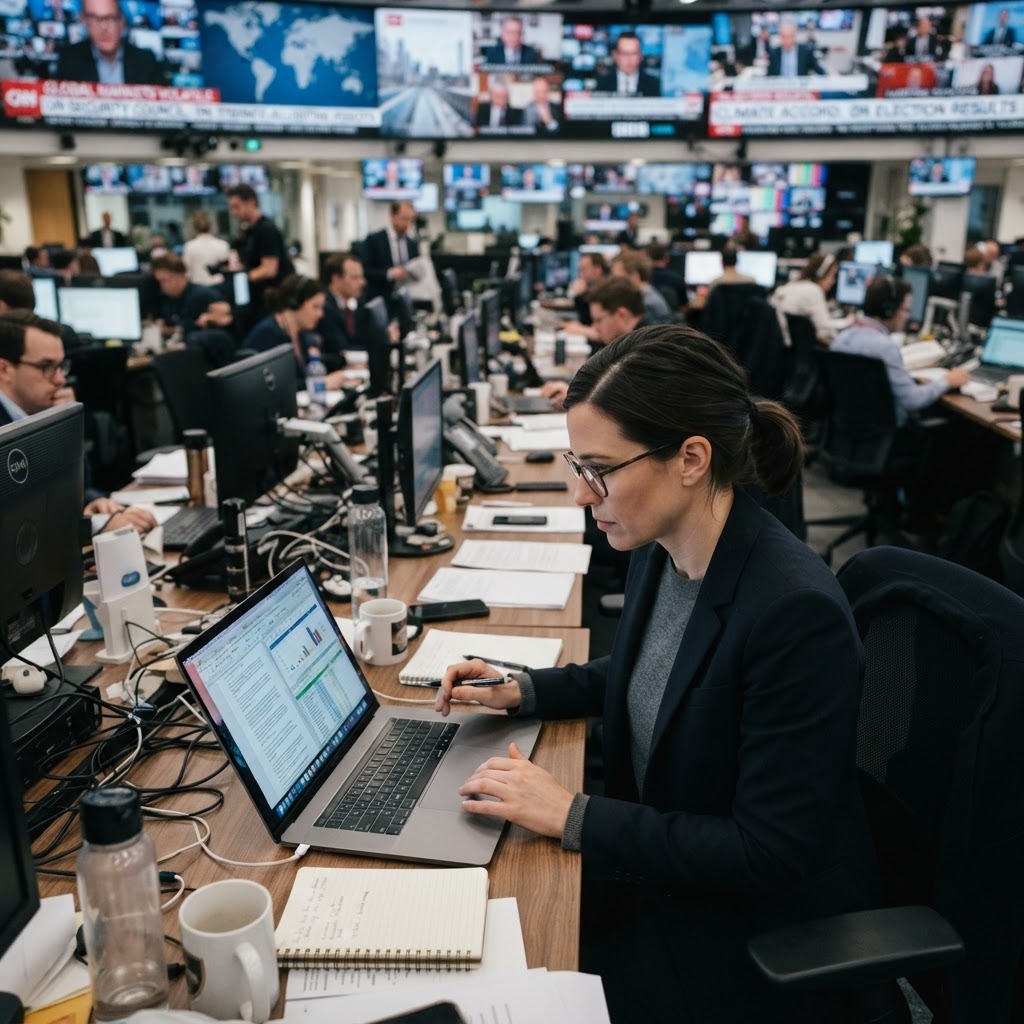
A scholarly investigation published in the journal Studies in Conflict & Terrorism has sparked significant debate regarding the editorial direction of The New York Times during the initial months of the conflict in Gaza. The study, which analyzed 1,559 articles, contends that the publication’s narrative framework consistently positioned Israel as the primary aggressor while characterizing Palestinians as passive victims of the ongoing hostilities. Researchers argue that this framing effectively obscured the agency of Hamas and the broader context of the war.
The report, authored by Pinker, suggests that the newspaper’s editorial choices resulted in a reduction of focus on Hamas’ responsibility for the continuation of the conflict. Furthermore, the study claims that the coverage failed to adequately convey the significant toll the war has taken on Israeli society, including the impact of the October 7 attacks and the subsequent security challenges faced by the nation. By emphasizing the destruction within Gaza resulting from Israeli military operations, the study asserts that the paper created a lopsided perspective of the regional crisis.
In response to these findings, The New York Times has firmly rejected the allegations of systemic bias. A spokesperson for the organization stated that critics often engage in the selective curation of data to support pre-existing narratives while disregarding a vast body of work that contradicts their claims. The newspaper emphasized that its comprehensive reporting, which encompasses over 23,000 individual pieces of content including articles, photographs, and video footage, provides a balanced and accurate account of the complex situation.
This controversy arrives amid broader scrutiny of the publication’s editorial standards. Recently, the outlet faced additional backlash for phrasing that appeared to cast doubt on the status of Israelis as victims of the October 7 terror attacks. As media organizations continue to navigate the challenges of reporting on highly polarized geopolitical conflicts, this study serves as a focal point for ongoing discussions regarding journalistic objectivity and the influence of framing in international news coverage.
RELATED DISPATCHES

Discussion (0)
No comments yet. Be the first to join the discussion.